
MIGRATE ONLY TRUSTED DATA
SAP customers don’t struggle with moving data – they struggle with deciding what data should move.
iVIEW for SAP solves exactly that problem.


SAP S/4HANA migrations are frequently delayed and de-risked by poor data quality, fragmented ownership, complex legacy structures, and misalignment between IT and business. High data volumes, manual cleansing efforts, custom code dependencies, and integration challenges significantly increase the risk of data loss, scope creep, and budget overruns.
iVIEW for SAP addresses these challenges by acting upstream of migration as a data acquisition and syndication layer across SAP ECC, SAP S/4HANA, non-SAP, and legacy systems. Instead of extracting raw data late in the project, iVIEW standardises data ingestion, selection, enrichment, and validation – ensuring that SAP migration tools receive trusted, migration-ready datasets rather than raw, inconsistent data.
With built-in data quality rules, continuous profiling, and governance, iVIEW enables organisations to cleanse unused or redundant data, objectively reduce migration scope, and ensure that only trusted, relevant data is migrated. By accelerating data preparation 4–8× faster than traditional approaches, iVIEW significantly reduces migration risk, shortens testing and cutover cycles, and supports a stable and controlled hypercare phase after go-live.
HOW iVIEW FOR SAP FITS INTO YOUR S/4HANA MIGRATION
In the context of SAP S/4HANA migration, iVIEW for SAP acts as a data acquisition and syndication layer that operates upstream of migration.
It connects SAP ECC, SAP S/4HANA, non-SAP, and legacy systems early in the program to create transparency over data, volumes, quality, and usage before scope, budget, and timelines are fixed.
Instead of extracting raw data late in the project, iVIEW standardises ingestion, validation, enrichment, and profiling so that SAP migration tools receive trusted, migration-ready datasets instead of raw, inconsistent data.
- Connect SAP and non-SAP sources through a single acquisition layer
- Standardise ingestion, validation, enrichment, and profiling
- Continuously assess data quality and readiness
- Identify unused, redundant, or obsolete data
- Deliver trusted, migration-ready datasets instead of raw extracts
- Syndicate trusted data products to ECC and S/4 in parallel
- Document migration steps, transformations, and data quality checks for auditability
- Accelerate testing, cutover, and hypercare with repeatable datasets
iVIEW moves data risk and effort out of the migration phase and into a controlled, measurable preparation phase.
TYPICAL SAP S/4HANA MIGRATION CHALLENGES
SAP S/4HANA migration programs rarely fail because of technology alone. Most delays, cost overruns, and quality issues originate from a combination of data-related, organisational, and process-driven challenges that surface too late in the program.
Poor Data Quality and Fragmented Ownership
In many organisations, data quality issues are well known but poorly documented. Ownership is fragmented across business units and IT, and cleansing activities rely heavily on manual effort. These problems slow down migration activities and significantly increase the risk of defects entering S/4HANA.
High Data Volumes and Legacy Complexity
S/4HANA migrations often involve large volumes of historical master and transactional data. Complex legacy structures, custom fields, and inconsistent data models increase the risk of incorrect mappings, data loss, and repeated rework during migration cycles.
Process Complexity and Scope Creep
Unclear requirements and misalignment between business and IT lead to assumptions instead of facts during scoping. As a result, migration scope expands over time, causing delays, budget overruns, and unstable timelines.
Custom Code and Integration Challenges
Heavily customised SAP ECC systems introduce additional risk. Custom code, interfaces, and integrations are often incompatible with the S/4HANA data model and APIs, requiring late redesigns that impact both migration and testing.
Organisational Resistance and Change Management
Beyond data and technology, organisations face resistance to change. New processes, SAP Fiori UX, and updated controls require strong adoption and change management. Without stable and trusted data, user confidence drops and adoption slows further.
S/4HANA MIGRATION - BUSINESS BENEFITS OF IVIEW FOR SAP
Reduce Migration Risk
Early transparency into data quality, volumes, and inconsistencies allows risks to be addressed before migration starts. Instead of discovering defects during testing or after go-live, organisations can proactively stabilise data and reduce surprises.
Faster Time-to-Value
By automating data discovery, profiling, and preparation, iVIEW accelerates the slowest phases of S/4HANA programs. Data preparation is completed up to 4–8× faster, enabling earlier testing, faster cutover, and quicker business benefits.
Lower Cost Through Scope Reduction
Objective “keep / clean / archive” decisions reduce unnecessary migration volume. Smaller scopes mean less effort, fewer defects, and lower consulting and infrastructure costs.
Stronger Business–IT Alignment
Business and IT work from the same, data-driven view of scope and readiness. Decisions are supported by measurable evidence instead of assumptions, reducing friction and rework.
S/4HANA MIGRATION - TECHNICAL BENEFITS OF iVIEW FOR SAP
Upstream Data Governance
Built-in data quality rules, continuous profiling, and reconciliation ensure that only trusted data progresses into the migration pipeline. Governance is applied once and reused across waves and rollouts.
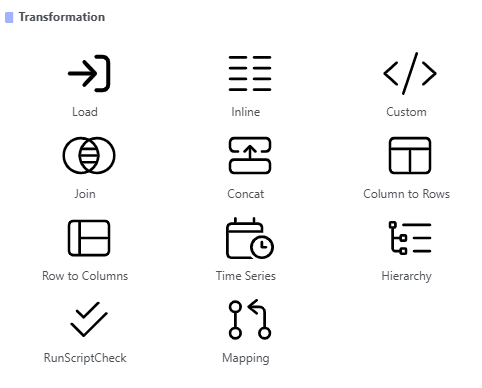
Support for Complex SAP Landscapes
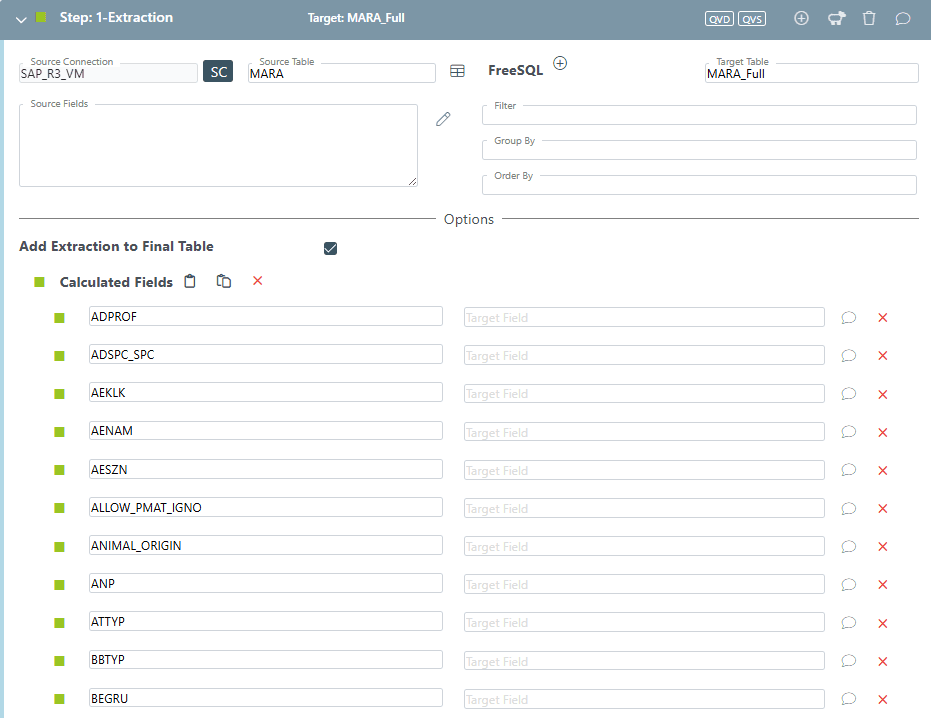
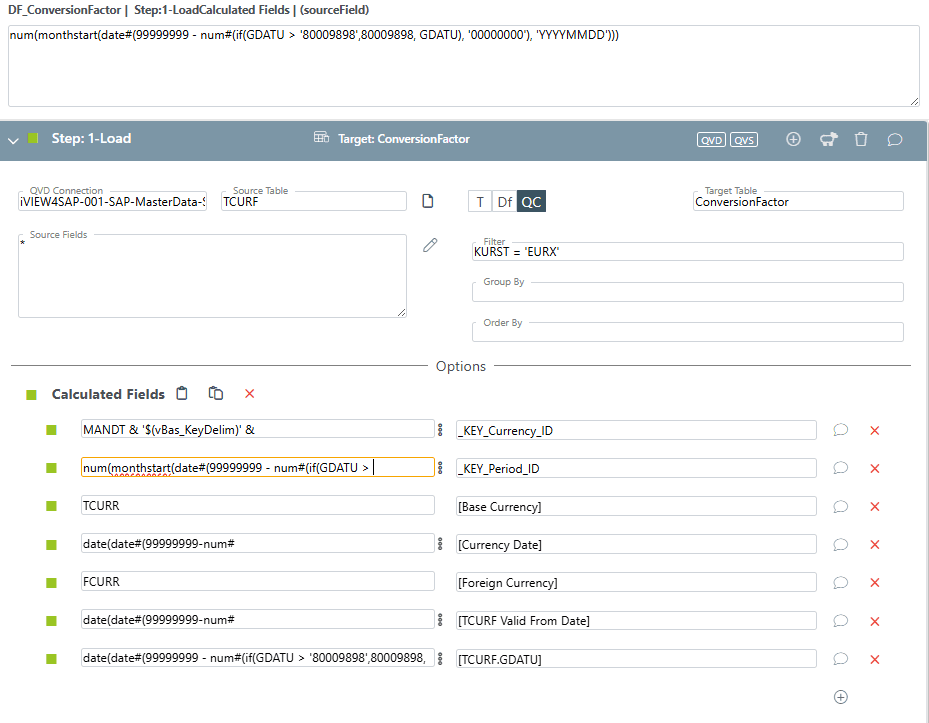
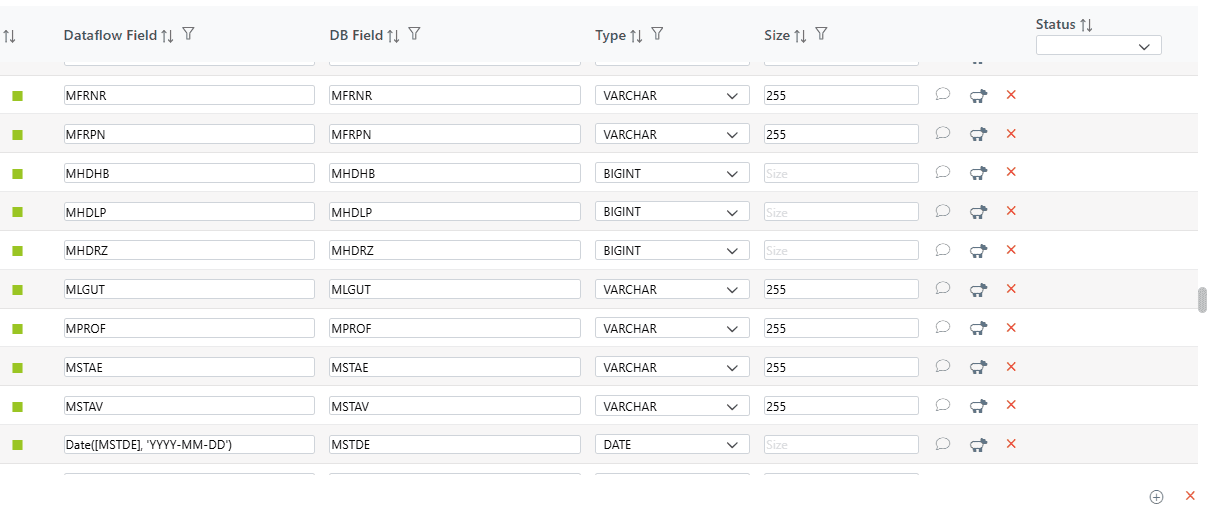
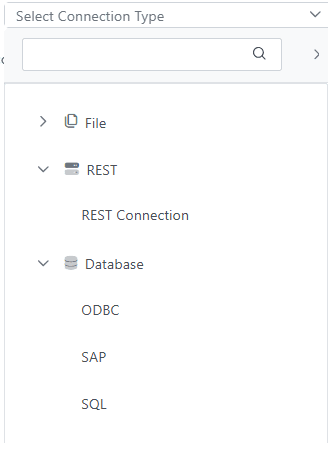
iVIEW handles high data volumes, custom fields, and complex legacy structures across SAP ECC, S/4HANA, and non-SAP systems without forcing early simplification.
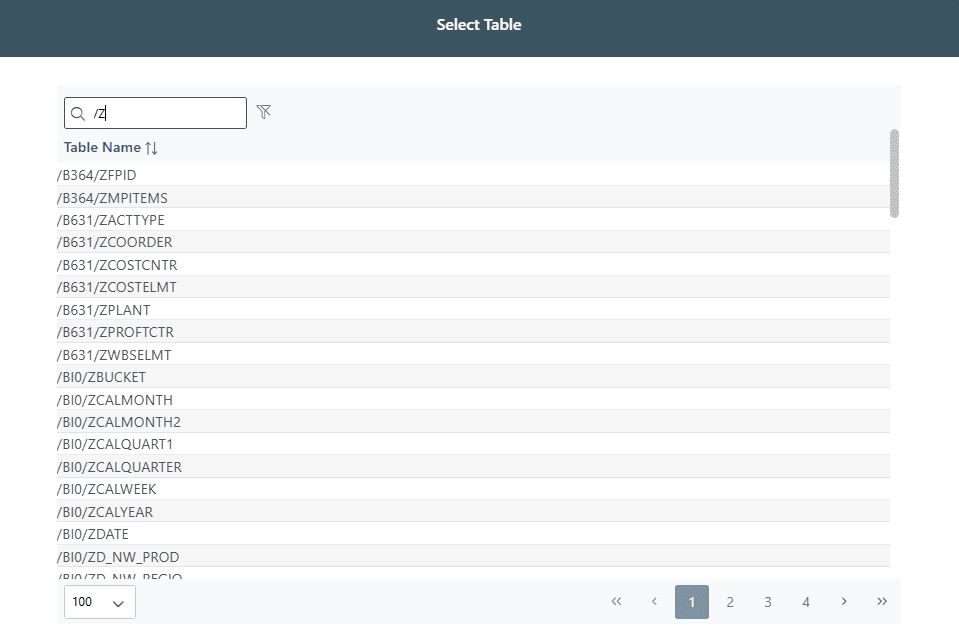
Data Syndication and Coexistence
Trusted data products can be consumed by both ECC and S/4HANA environments in parallel. This enables phased migrations, coexistence scenarios, and multi-wave rollouts without data inconsistencies.
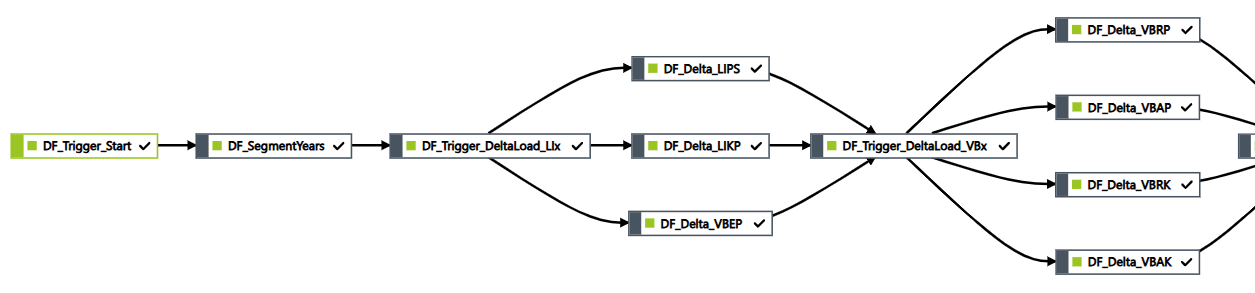
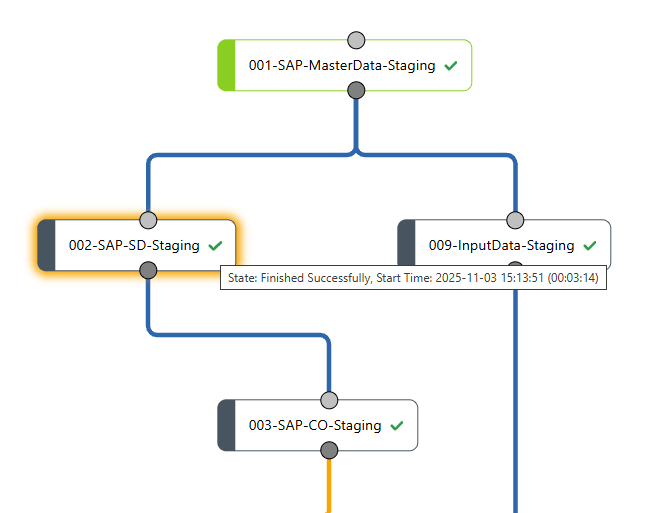
Automation and Repeatability
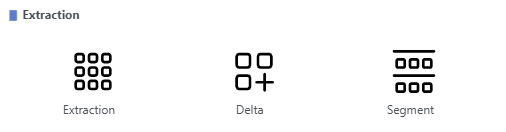
Automated profiling, mapping suggestions, and reusable datasets replace spreadsheet-driven activities. Testing, UAT, and cutover benefit from consistent, repeatable data loads.
KEY S/4HANA MIGRATION USE CASES
S/4HANA Migration Risk Reduction
Problem: Data quality issues and scope assumptions are discovered too late.
How iVIEW Helps:
- Early profiling of master and transactional data
- Built-in data quality and governance rules
- Migration-ready datasets instead of raw extracts
Outcome: Lower risk, predictable timelines, fewer defects.
Scoping & Discover Phase Transparency
Problem: Manual discovery via interviews and spreadsheets leads to over-scoping.
How iVIEW Helps:
- Automated inventory of SAP and non-SAP data
- Volume and quality metrics per object
- “Keep / clean / archive” recommendations
Outcome: Fact-based scope, realistic roadmap, stronger business case.
Data Quality Improvement Before Migration
Problem: Cleansing happens too late and is repeated multiple times.
How iVIEW Helps:
- Continuous profiling and reconciliation
- Business-defined data quality rules
- Central governance layer across systems
Outcome: Cleaner S/4 start, less rework, higher trust.
Migration Scope Reduction (Keep / Clean / Archive)
Problem: Fear-driven over-migration inflates cost and timelines.
How iVIEW Helps:
- Usage-based data analysis
- Objective relevance classification
- Clear audit trail for decisions
Outcome: Smaller migrations, faster delivery, lower cost.
Phased ECC → S/4 Migration & Coexistence
Problem: Big-bang migrations are risky and hard to control.
How iVIEW Helps:
- Trusted data syndication layer
- Consistent data across old and new landscapes
- Governance across coexistence phases
Outcome: Safer transitions and flexible migration timelines.
Faster Testing & Cutover
Problem: Testing cycles are long and defects reappear.
How iVIEW Helps:
- Repeatable, governed datasets
- Consistent data across system, integration, and UAT
- Faster reloads
Outcome: Shorter test cycles and smoother cutover.
Hypercare & Post-Go-Live Stability
Problem: Data issues explode after go-live.
How iVIEW Helps:
- Immediate access to trusted data views
- Root-cause analysis across systems
- Faster issue resolution
Outcome: Stable operations and faster recovery.
ROI AND ACCELERATION: 4–8× FASTER MIGRATION PREPARATION
With iVIEW for SAP:
- Data discovery, profiling, and scoping are automated
- Manual spreadsheet-based activities are eliminated
- Mapping and estimation are accelerated
Results:
- Up to 4–8× faster data preparation
- Reduced consulting effort
- Shorter overall migration timelines
- Lower total cost of ownership
iVIEW turns data into a migration accelerator instead of a bottleneck.
FREQUENTLY ASKED QUESTIONS (FAQS)
Is iVIEW for SAP a replacement for data extraction tools?
Yes. iVIEW for SAP provides a robust, enterprise-grade connector framework for SAP and non-SAP systems and can fully replace standalone data extraction tools.
iVIEW for SAP connects directly to SAP ECC and SAP S/4HANA as well as non-SAP and legacy systems, enabling controlled data acquisition as part of an end-to-end governed process. Data is extracted, profiled, validated, enriched, and reconciled within the same platform, rather than being pulled via isolated point-to-point connectors.
As a result, additional third-party extraction tools or custom connectors (for example, dedicated SAP extractors used only for data pull) are no longer required. This reduces architectural complexity, licensing cost, and operational overhead while ensuring that data acquisition is fully aligned with data quality, governance, and migration readiness objectives.
Is iVIEW for SAP a replacement for SAP migration tools?
No. iVIEW for SAP does not replace SAP migration or conversion tools. It operates upstream and complements them by delivering trusted, validated, and migration-ready datasets. SAP tools remain responsible for execution, while iVIEW ensures that only clean and relevant data enters the process.
When should iVIEW for SAP be introduced in an S/4HANA program?
iVIEW delivers the highest value when introduced during the Discover or Prepare phases. At this stage, it creates transparency over data, integrations, volumes, and quality before scope, budget, and timelines are fixed. Introducing iVIEW later still adds value but reduces its impact on scoping and risk reduction.
Does iVIEW for SAP support non-SAP and legacy systems?
Yes. iVIEW is designed to connect SAP ECC, SAP S/4HANA, non-SAP, and legacy systems. This is essential for end-to-end data transparency, especially where SAP processes depend on external systems or historical data sources.
Can iVIEW for SAP support phased migrations and coexistence?
Yes. iVIEW provides data syndication capabilities that expose trusted data products to both old and new landscapes. This enables phased migrations, multi-wave rollouts, and coexistence scenarios without creating inconsistent interim interfaces.
Does iVIEW for SAP still add value after go-live?
Yes. During the hypercare phase, iVIEW provides immediate access to governed data views, lineage, and quality metrics. This significantly accelerates root-cause analysis and issue resolution, helping stabilise operations and restore business confidence faster.
SUCCESS STORIES IVIEW FOR SAP

„We wanted to build a standard ETL process based on best practice that would enable us to have automated, reliable data transfer from SAP to Qlik Sense. We also wanted to map our complex business logic centrally and provide an efficient and user-friendly FICO dashboard based on Qlik. We can do this with iVIEW, a tool for Qlik Sense developed by Qlik Partner Informatec.“
Etienne Frey, Analytics Manager at the JURA Materials Group
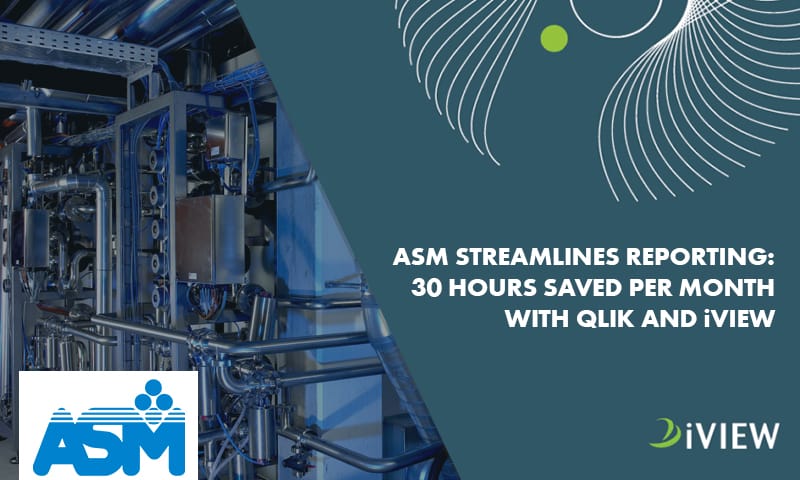
„Mit Qlik erreichen wir die Kolleginnen und Kollegen auf einfache und verständliche Weise, können ihr Interesse für die Zahlen wecken und sie aktiv einbinden. Unser Ziel ist es, Berichte nicht nur für uns, sondern für alle zu erstellen – Qlik und iVIEW sind dabei wertvolle Werkzeuge, die uns optimal unterstützen.”
Benjamin Fürst, Leiter Finanzen, Controlling & IT, ASM Aerosol-Service AG

